Class diagram generator
Plotix's agent reads your code and draws its class diagram: classes and interfaces with their fields and methods, and who extends, implements or owns whom.
What the agent draws
- Classes with fields and methods, visibility marked
- Interfaces and abstract classes
- Inheritance, implementation, composition and dependencies
- Multiplicities on associations
How it works
- Link a repo, or describe it. Connect GitHub, or just say what the system does.
- Ask the agent. "Draw the class diagram of the checkout code". It reads the code it needs, then draws.
- Edit, share, review. Change it by hand or in words, then send one link to your team.
Examples from real projects
Drawn by Plotix's agent from the projects' public code.
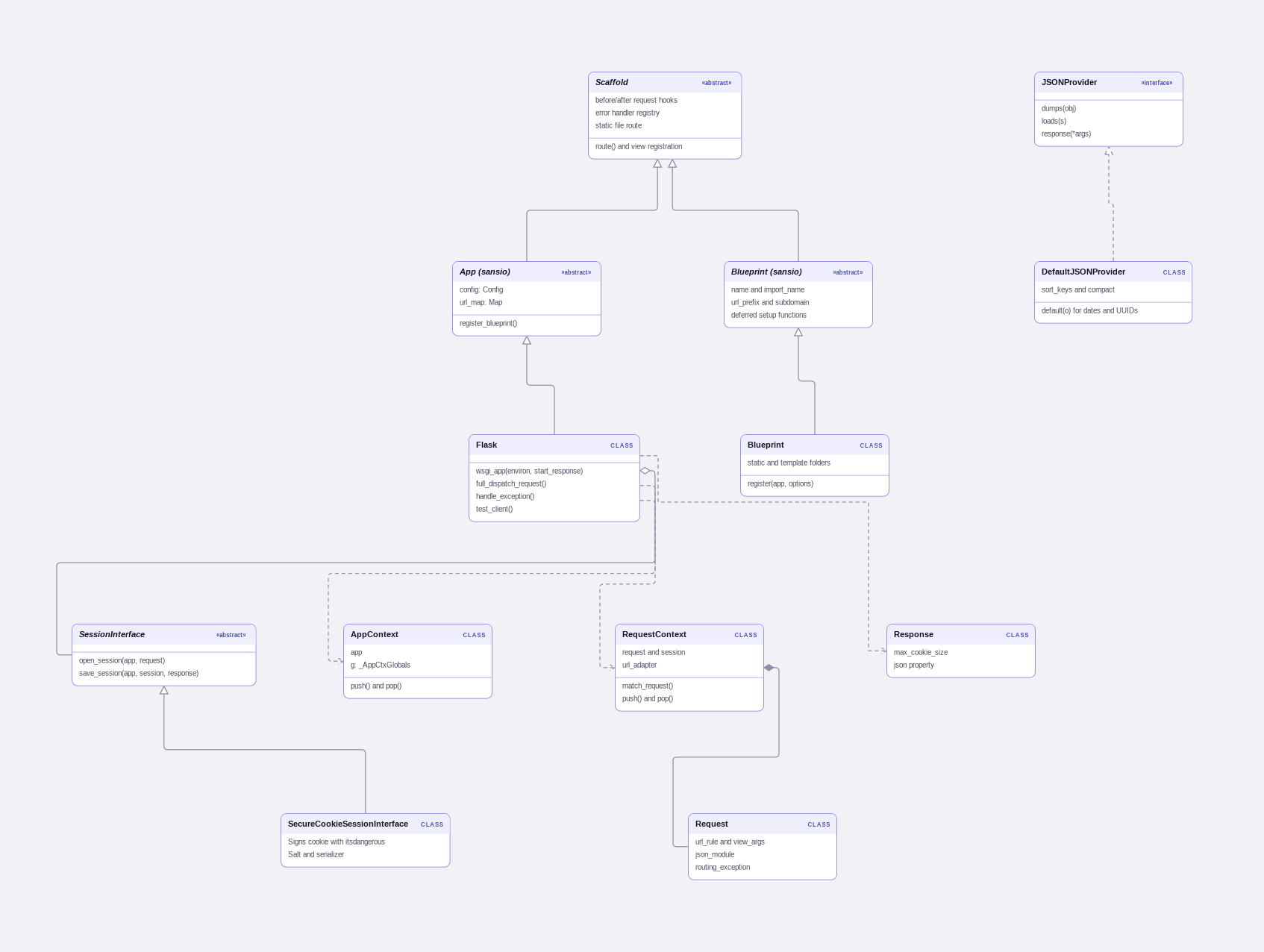
pallets/flaskCore classes · Inheritance and composition of the main Flask classes.
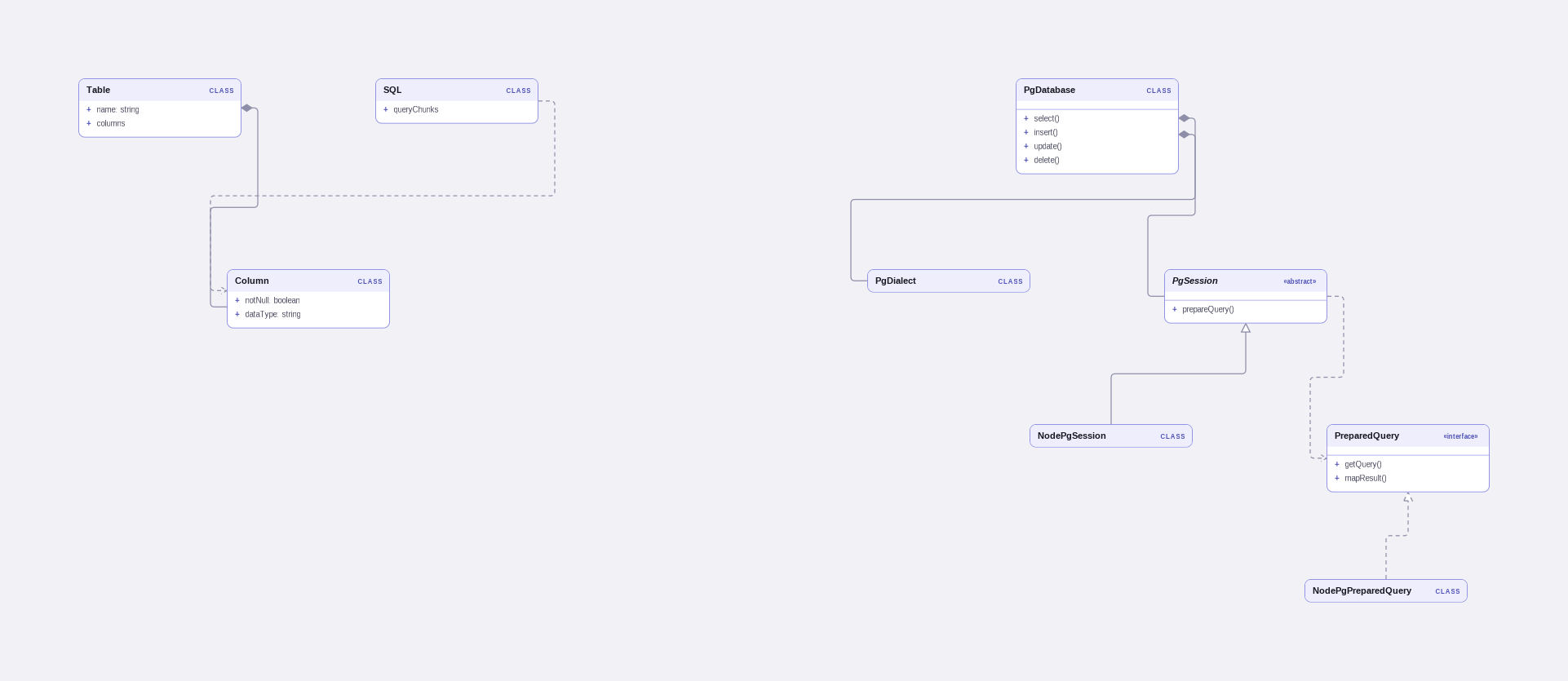
drizzle-team/drizzle-ormCore classes · The main ORM classes behind a query and how they relate.
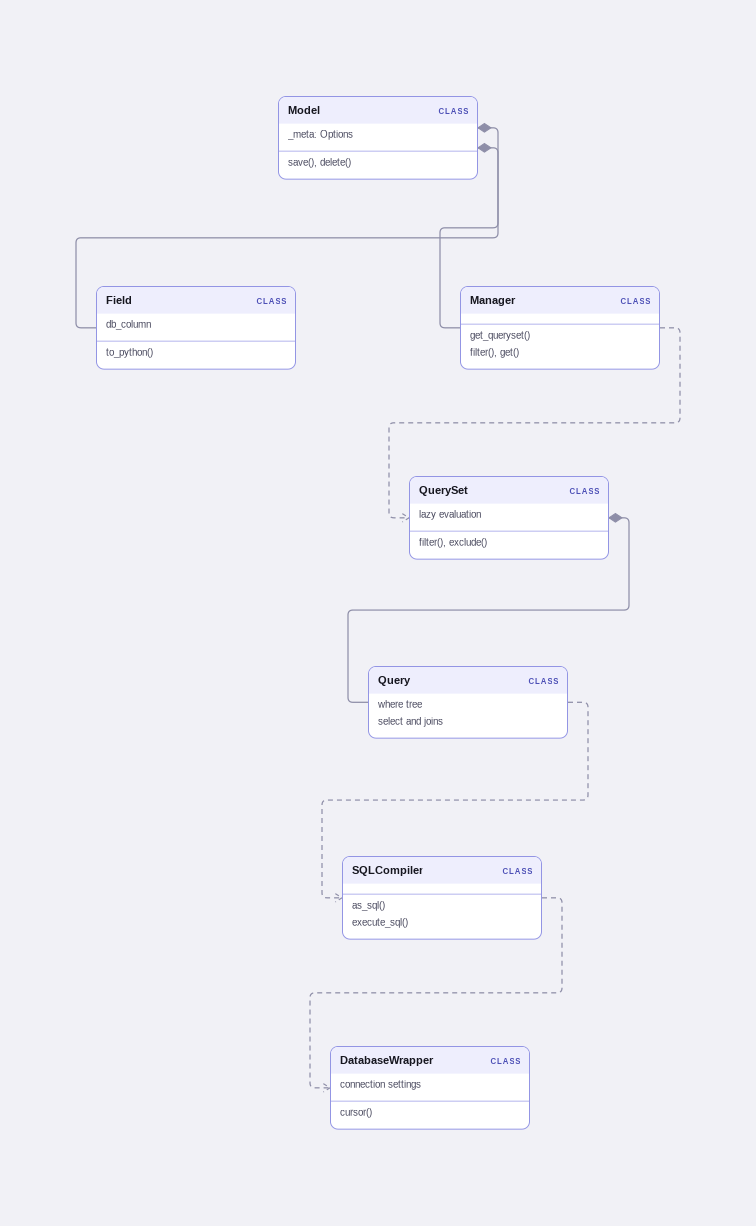
django/djangoORM classes · The main classes behind a model query, from Model down to the database connection.
Questions
- Which languages does it read?
- Any language the agent can read in a linked repo: TypeScript, JavaScript, Python, Java, Go, C#, Ruby and more.
- Will it draw every class?
- It draws the ones that explain the code you asked about. Ask for more, or for one package, and it adds them.
- Can I edit what the agent draws?
- Yes. The diagram is a normal canvas: move, rename and add boxes and lines yourself, or ask the agent for a change in plain words. Every change can be undone.
- Can my own coding agent draw here?
- Yes. Claude Code, Cursor, Codex and other agents connect over MCP with one command, and draw into the same diagrams.
Try it on your own code.
Try Plotix